Trying to choose between North Dallas and the Collin County suburbs? You are not alone. Each offers a different mix of home prices, commutes, schools, and day-to-day lifestyle. In this guide, you will learn what defines each area, how the numbers compare, and a simple way to decide which is the better fit for you. Let’s dive in.
What each area includes
North Dallas in this context means neighborhoods inside Dallas city limits north of central Dallas and I‑635, including Preston Hollow, Park Cities, and Lake Highlands. You will see a mix of older, tree-lined streets, infill homes, and higher-density corridors along major roads. Municipal services and taxes are tied to the City of Dallas or the enclave towns within it.
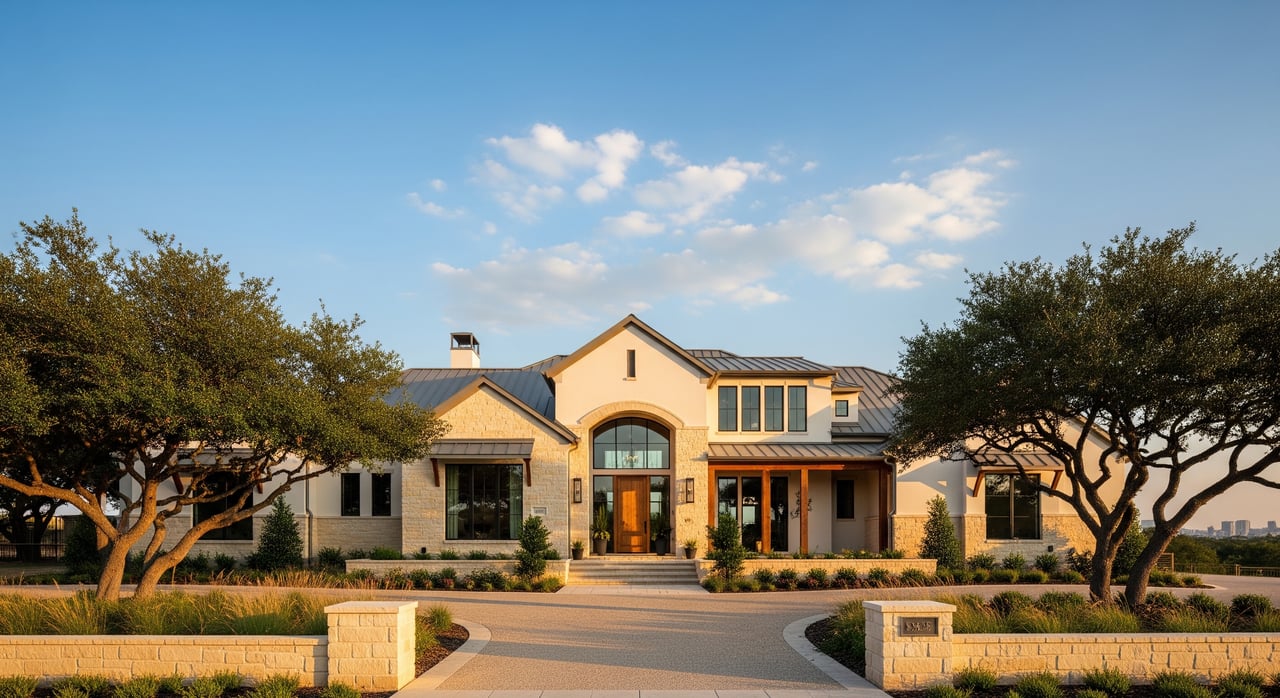
Collin County suburbs include Plano, Frisco, McKinney, Allen, plus fast-growing towns like Prosper, Celina, and Wylie. You will find many master-planned communities, newer construction, and large corporate campuses with mixed-use retail nearby. Collin County has been a major growth engine for North Texas in recent years, helping drive jobs and new housing. You can see the growth story in this overview of Collin County’s impact on the regional economy. Collin County growth powers North Texas.
Home prices and ownership costs
Purchase prices right now
Recent market snapshots show Dallas city’s median sale price around $419,000 as of January 2026. Collin County’s median sale price is higher at about $435,000 for the same period. Within each, prices vary widely by neighborhood and ZIP.
City examples highlight the spread. McKinney’s median has been near $478,000. Plano often tracks in the low-to-mid $500,000s. Frisco frequently lands in the $600,000s to $700,000s depending on the community. If you are comparing a specific subdivision, pull the latest monthly snapshot so you can match your price expectations to the most current data.
Household incomes help explain the difference. The median household income in Collin County is about $117,588, while Dallas city’s median is closer to $70,518. That gap supports higher price points in many Collin suburbs. You can verify these figures on Collin County QuickFacts and Dallas city QuickFacts.
Taxes, HOAs, and PIDs
Texas relies on local property taxes. Your final bill is a combination of city, county, school district, college, hospital, and special district levies. In Collin County suburbs, many master-planned communities include homeowners associations and sometimes Public Improvement Districts or Municipal Utility District fees. These add to your monthly cost.
In North Dallas, parcels inside the City of Dallas are typically subject to Dallas city and Dallas ISD levies. Some neighborhoods have voluntary or limited HOAs, and a few gated sections have mandatory ones. Because these costs vary by address, always run the property through the county appraisal district estimator and confirm HOA or PID fees with the seller’s disclosures before you write an offer.
Home styles and tradeoffs
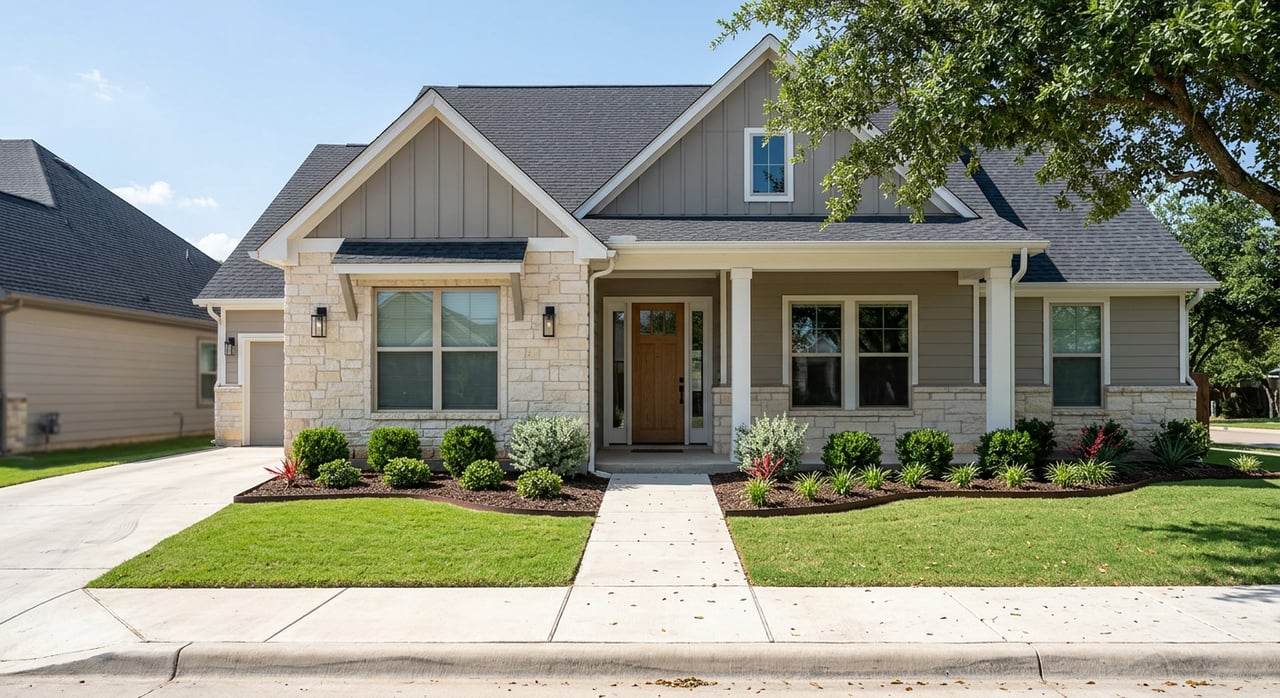
If you prefer established neighborhoods with mature trees and a short ride to Dallas culture and dining, North Dallas often fits. You are more likely to face a renovate-or-rebuild decision on mid-century homes or older properties. Lot sizes can be generous, and streets feel settled.
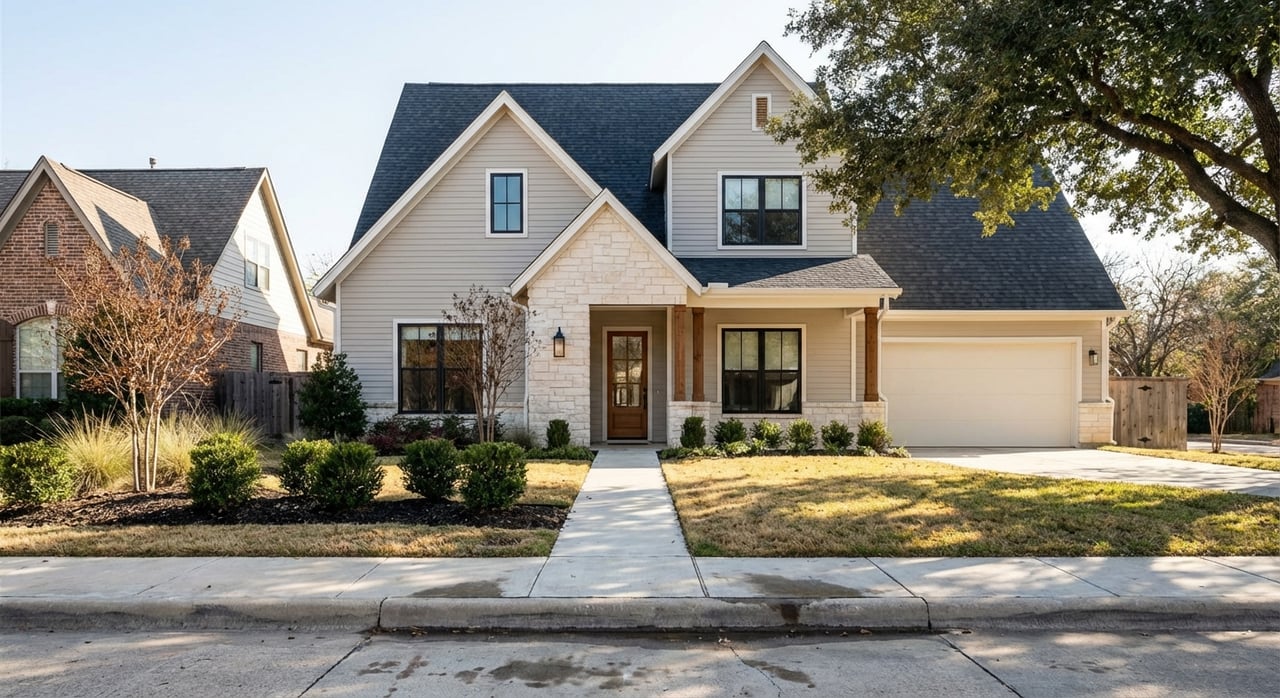
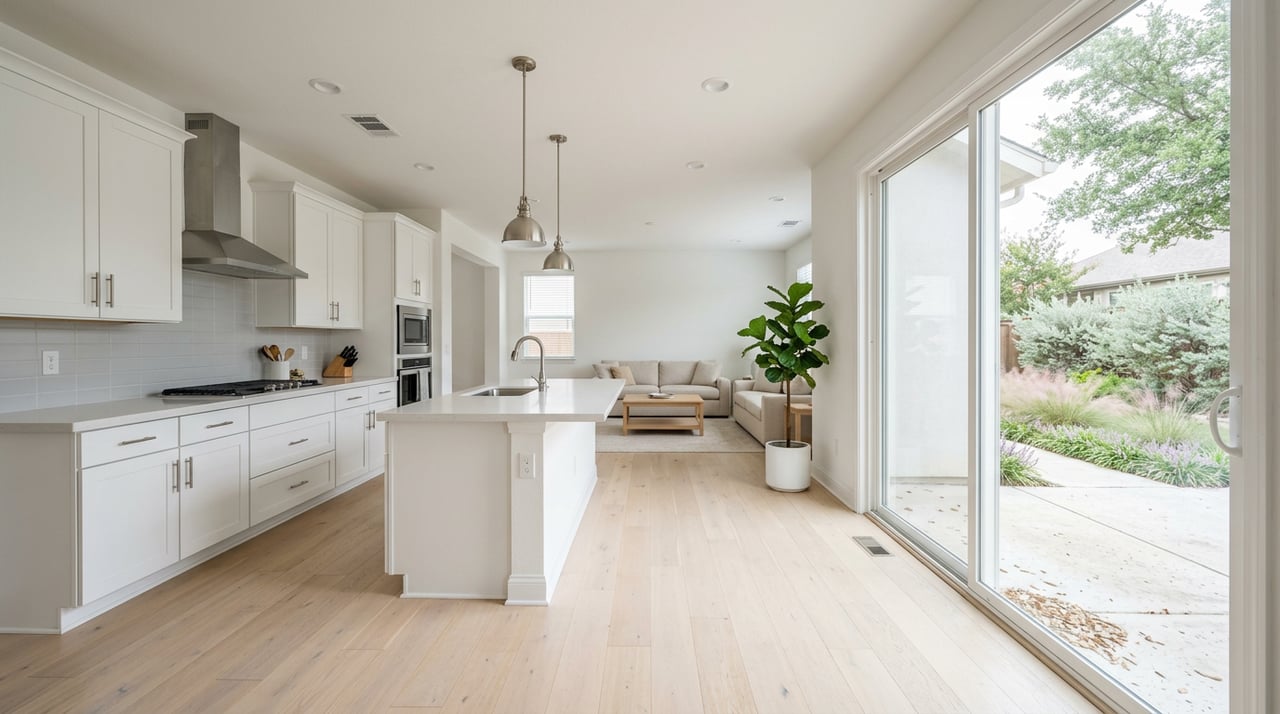
If you want newer construction, open floor plans, planned amenities, and lots of community programming, Collin County shines. Many communities offer pools, playgrounds, sports fields, and neighborhood events. Newer systems and energy features can mean fewer near-term maintenance surprises.
Commute and transportation
Typical commute times
Mean one-way commute times are close, with Dallas city at about 25.7 minutes and Collin County around 28.1 minutes. The real difference depends on where you work. If your office is downtown or in central Dallas, North Dallas often cuts your drive. If you work in Plano’s Legacy West or Frisco’s corporate parks, living in Collin County can shorten the daily trip. See city-level context, like Plano’s travel time profile, on Census Reporter, and verify county and city averages on Collin County QuickFacts and Dallas city QuickFacts.
Major routes and transit
North Dallas is served by US‑75, Dallas North Tollway, I‑635, and key arterials. These offer direct access to downtown and mid-city job centers, though peak-hour backups are common. Collin County suburbs rely on the Tollway, SH‑121, PGBT, and US‑380. Downtown Dallas commutes from Frisco, McKinney, or northern Plano can run 30 to 60 minutes or more depending on time of day.
Transit options are improving along the north corridor. The DART Silver Line adds a new east-west regional rail connection linking Plano and Richardson with Addison, Carrollton, and DFW Airport. If you value park-and-ride or multi-modal options, review current station maps and service updates on the DART Silver Line page. Many Collin County commutes are still car-based, but the Silver Line changes the picture for select commutes across the north side.
Pro tip: Before you fall in love with a house, test the commute at rush hour both directions. Drive it twice, morning and evening, and check transit time too if that is part of your plan.
Lifestyle, schools, and amenities
Schools overview
School boundaries, not city limits, determine which district serves an address. Many Collin County suburbs feed into highly rated districts such as Frisco ISD and Plano ISD. Dallas city includes Dallas ISD, plus small, high-performing districts inside or adjacent to North Dallas, like Highland Park ISD. District and campus performance can vary by school, so verify the exact campus ratings and boundaries for any address you consider. You can review accountability reports directly through the Texas Education Agency and see recent coverage of statewide ratings on NBC 5 DFW.
Shopping, parks, and entertainment
In Collin County, you will find lifestyle hubs such as Legacy West, The Star in Frisco, and vibrant town centers with frequent events. Master-planned communities often add walking trails, pools, and sports courts right in the neighborhood. It is a suburban feel with plenty of dining, shopping, and family activities.
In North Dallas, you will be closer to central Dallas museums, performance venues, and a deep restaurant scene. Neighborhood parks are established, and you will find access to major medical centers and private clubs. If urban-adjacent convenience is a priority, North Dallas often checks the box.
Safety and due diligence
Crime patterns can vary block by block across any large metro. A practical approach is to review local police dashboards, city crime maps, and community updates for the specific neighborhoods you are considering. Compare trends over time and visit at different hours to get a feel for the area.
Who thrives where
- The corporate commuter working in Legacy West or Plano tech corridors. A Collin County home near SH‑121 or the Tollway can simplify your routine and shorten trips to the office.
- The family prioritizing newer homes and planned amenities. Frisco, parts of Plano, and select McKinney communities offer newer construction and active programming. Confirm campus boundaries for your target schools on TEA and district maps.
- The buyer who wants an urban feel with mature trees. North Dallas neighborhoods like Preston Hollow, Park Cities, and Lake Highlands provide established streetscapes and faster access to central Dallas. Expect more renovation decisions at the property level.
- The value-focused buyer who can handle a longer drive. Farther-out Collin County towns or more affordable pockets of Dallas may stretch your budget further. Balance purchase price with commute and ownership costs.
A quick decision checklist
- Set a firm commute target by office location and test it at rush hour.
- Decide how you will evaluate schools. Check TEA campus ratings and confirm boundaries for each address you like.
- Choose your home style. Do you want newer construction with HOA amenities, or an established neighborhood closer to the city core?
- Price your total monthly. Include principal, interest, taxes, insurance, HOA, and any PID or MUD fees.
- Check live market data. Pull the latest neighborhood snapshot so you know if the area favors buyers or sellers.
Next steps to move with confidence
- Get pre-approved so you know your monthly comfort zone. 2) Shortlist three neighborhoods and test the commute, morning and evening. 3) Verify school assignments using TEA and district maps. 4) Estimate annual property taxes with the county appraiser and confirm any HOA or PID fees. 5) Review the latest neighborhood market data to set expectations on pricing and negotiation.
Ready for a side-by-side tour of North Dallas and Collin County communities that fit your goals? Connect with Evelyn Ycaza to compare active listings, preview neighborhoods, and make a confident move.
FAQs
What is the core difference between North Dallas and Collin County suburbs?
- North Dallas offers established neighborhoods closer to central Dallas, while Collin County delivers newer master-planned communities and proximity to suburban job hubs like Legacy West.
Are property taxes higher in Dallas or Collin County?
- It depends on the address and district mix; compare total levies for the exact property and include any HOA, PID, or MUD fees to understand the full cost.
How do commutes compare if I work in downtown Dallas?
- North Dallas often offers shorter drives to downtown, while Collin County commutes can be 30 to 60 minutes or more depending on start time and route.
Which area offers more newer construction options?
- Collin County has more new-build inventory and planned amenities, while North Dallas skews older with more renovation or rebuild opportunities.
How should I compare schools across districts?
- Verify campus-level ratings on TEA, confirm exact boundaries for your address, and consider program fit and commute time to each school in your daily routine.